

How to Choose Swimwear That Flatters Your Body Type: Expert Fit & Style Tips
Finding the right swimwear can feel overwhelming when you’re standing in front of a wall of styles, cuts, and fabrics. The truth is that how to choose swimwear comes down to understanding what shapes and features work with your body, not against it. We’ve spent years designing swim pieces that celebrate every silhouette, and we’re sharing the fit insights that help our customers feel confident at the beach or poolside.
This guide walks through the key considerations—from bust support and waistline emphasis to fabric stretch and coverage—so you can shop with clarity. Whether you’re drawn to one-pieces, two-pieces, or mix-and-match separates, you’ll leave with a framework for making choices that actually fit your shape and lifestyle.
Understanding Your Natural Proportions and What to Emphasize
Before you start comparing cuts, take a moment to identify where you naturally carry curves and where you prefer more coverage or definition. Some people have broader shoulders and a narrower lower body; others carry weight around the midsection or hips. There’s no ‘problem zone’—only opportunities to highlight what you love.
If you have an athletic or rectangular build, look for details that create shape: ruching at the waist, side cutouts, or tankini tops with gathered panels that add dimension. For pear-shaped figures, balance comes from drawing the eye upward with brighter colors or patterns on top, while keeping bottoms in darker, solid tones. Hourglass shapes shine in belted one-pieces or high-waisted two-pieces that define the waist. Apple shapes often feel most confident in styles with built-in tummy control and empire or V-necklines that elongate the torso.
Bust Support: When Underwire and Shelf Bras Matter
How Much Structure Do You Actually Need?
Anyone above a B cup knows that not all swimwear is created equal when it comes to support. Standard triangle tops and bandeau styles may look great on the hanger, but they rarely provide the lift or security needed for active beach days. Look for swimsuits with built-in shelf bras, adjustable straps, and underwire if you’re a C cup or larger.
Seek out tops labeled with actual bra sizing rather than generic S/M/L. Adjustable straps let you customize lift, while wider bands under the bust distribute weight more evenly. If you plan to swim laps or play beach volleyball, a one-piece with molded cups and racerback straps will keep everything in place without constant readjustment. Halter necks can look flattering, but they place all the weight on your neck—consider whether that’s comfortable for extended wear.
Coverage, Cut, and Fabric Choices That Affect Fit
The same size can fit entirely differently depending on fabric weight and stretch. Thicker, compression-style fabrics smooth and shape, while lighter, unlined fabrics drape more naturally but offer less control. Consider how much coverage you want in the seat and whether you prefer high-leg cuts that elongate the legs or moderate cuts that feel more secure.
High-waisted bottoms have surged in popularity because they offer tummy coverage without looking dated—they work beautifully on most body types and pair well with crop tops or longline bikini tops. If you’re choosing swim bottoms as separates, check the rise measurement and compare it to pants that fit you well. A mid-rise might hit awkwardly at the widest part of your hip, while a high-rise sits above it and creates a smoother line.
Fabric content matters too. According to industry standards for stretch fabrics, blends with at least 15–20% spandex or elastane maintain their shape and recovery after repeated exposure to chlorine and saltwater. Pure nylon or polyester suits may be cheaper, but they lose elasticity faster and can bag out after a few wears.
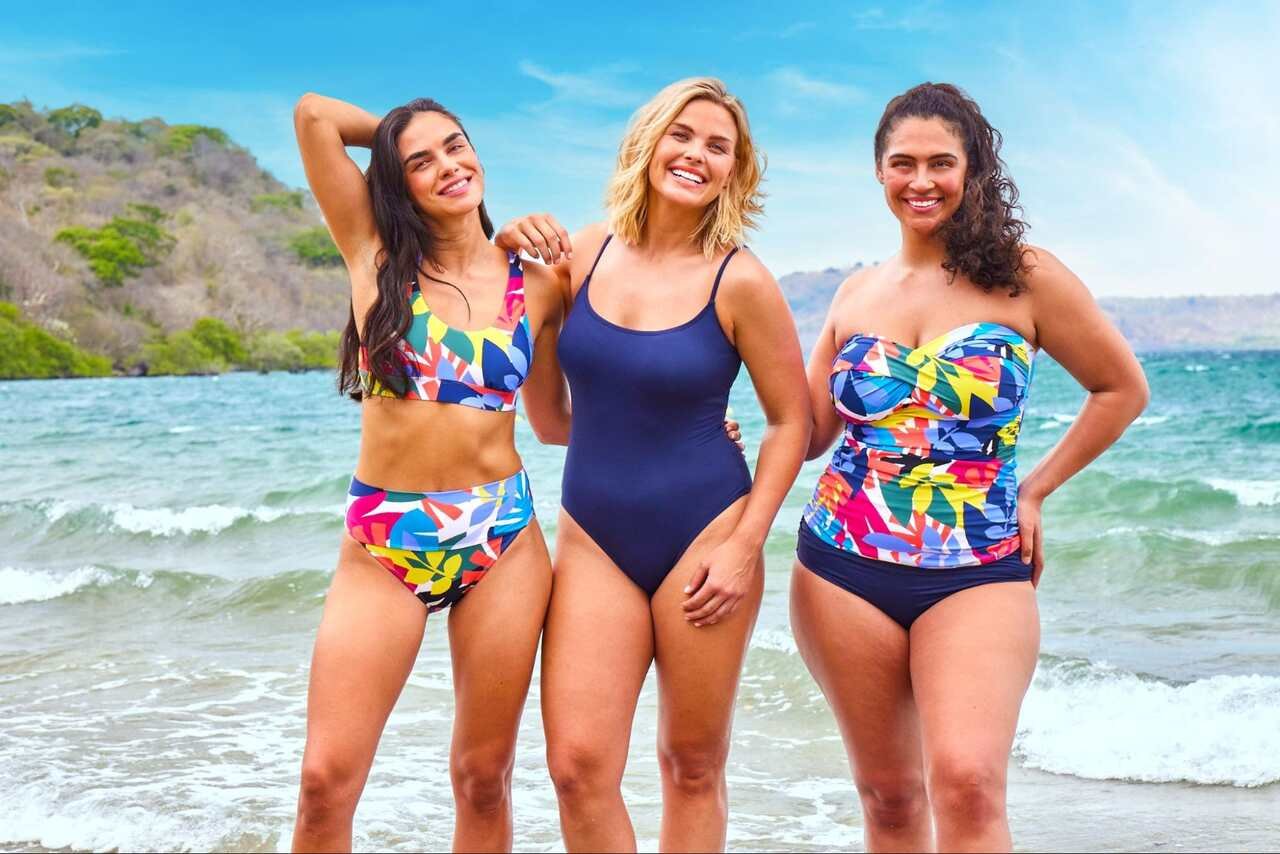
Color, Pattern, and Visual Tricks That Work
Dark, solid colors are universally slimming, but that doesn’t mean you should avoid prints or brights if you love them. Strategic color-blocking—darker panels on the sides, brighter hues down the center—creates an hourglass effect. Vertical stripes elongate; horizontal stripes can widen, though narrow stripes on a well-fitted suit often look sportier rather than widening.
Small, all-over prints camouflage lumps and bumps better than large, bold graphics, which can emphasize curves you’d rather downplay. If you’re self-conscious about your midsection, try a suit with a busy pattern or ruching across the stomach. If you want to minimize your hips, keep bottoms solid and add pattern or texture up top.
Finding Swimwear That Feels as Good as It Looks
Choosing swimwear isn’t about hiding or fixing anything—it’s about finding cuts, fabrics, and details that make you feel confident and comfortable. Once you understand how different styles interact with your natural proportions, shopping becomes less guesswork and more intentional.
Start by identifying what you want to emphasize and where you need support, then use those priorities to narrow your options. Don’t be afraid to try styles outside your usual comfort zone—sometimes a high-waisted bottom or a longline top surprises you. We design every piece with real bodies and real beach days in mind, so you can focus on enjoying the water instead of adjusting straps.
Notes
Check the brand’s size chart and measure yourself at the bust, waist, and hips before ordering. Compare your measurements to the chart rather than assuming your usual clothing size will translate directly. Read customer reviews for fit feedback—many shoppers note whether a style runs small, large, or true to size. If you’re between sizes, size up for more coverage and comfort, especially in the bust and hips.
Look for one-pieces or tankinis with ruching, shirring, or wrap details across the midsection—these textures break up the visual line and provide light compression. High-waisted bottoms paired with a supportive top also work well. Avoid low-rise cuts and overly tight fabrics that dig in and create bulges. A slightly looser, draped fit often looks smoother than something stretched tight.
Absolutely—buying separates is one of the smartest ways to get a perfect fit if your top and bottom are different sizes. Many brands, including ours, sell tops and bottoms individually so you can choose a larger cup size with smaller bottoms, or vice versa. This approach also lets you replace a worn-out piece without replacing the entire suit.
For long torsos, look for one-pieces with adjustable straps or extra length in the torso—some brands offer tall or long sizes. Two-pieces and tankinis are naturally more forgiving since the top and bottom are separate. For short torsos, avoid high-neck one-pieces that can overwhelm your frame. Opt for plunging necklines, low-back styles, or high-cut legs that create the illusion of length.
Choose blends with a high percentage of polyester or nylon combined with at least 15-20% spandex or elastane for durability and stretch recovery. Rinse your suit in cool, fresh water after every wear and avoid wringing it out. Line-dry away from direct sunlight to prevent fading and fabric breakdown. Quality fabric and proper care can extend a swimsuit’s life to several seasons.
Not necessarily—it depends entirely on your body type and what you want to highlight. One-pieces can smooth and streamline, especially if they have built-in control panels. Bikinis and two-pieces let you mix sizes and show off a defined waist. Both can be equally flattering when you choose the right cut, coverage, and support level for your shape and comfort preferences.